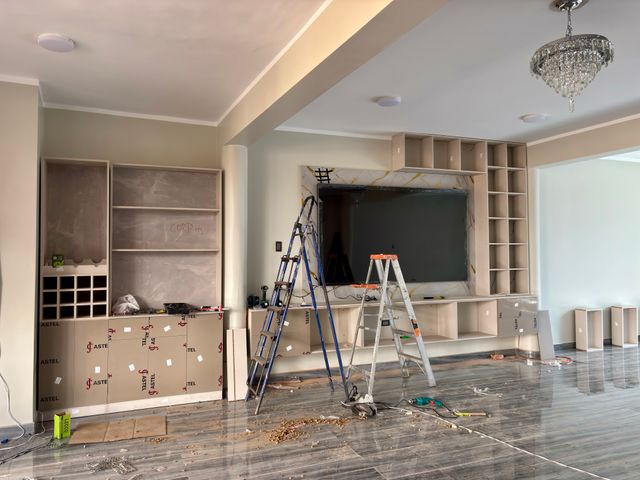
Start with Anchor It!: secure dressers, chests, bookcases, entertainment centers, shelves, and TVs to the wall with a proper anti-tip kit; keep heavier items low; and remove toys, remotes, and other climb temptations from high surfaces. New clothing-storage units must meet stronger stability rules — and CPSC still recommends anchoring. For coffee tables, check stability before adding guards, soften the edges a child can reach, and consider removing a glass top or the table itself during early-walker months. This is practical educational guidance, not medical care; data caveats: What Is NEISS?
Why tip-overs and tables both matter
Tip-overs combine height, weight, and a child's natural urge to pull, climb, or open. A drawer can become a step; a TV can become a lever.
In CPSC News Release 26-259 (February 5, 2026), CPSC estimated that U.S. emergency departments treated an average of about 17,800 tip-over injuries each year from 2020 through 2022. CPSC said 44% of victims were under 18 — a framing that works out to about one child treated every 53 minutes. The release also reported 217 tip-over fatalities from 2013 through mid-2023; 71% of those killed were children ages 1 to 3, and most involved TVs and furniture.
Those tip-over figures are not the same as SafeCheck Home's tables-category view. In SafeCheck Home's weighted NEISS view of kids' home product categories, TABLES (EXCL. BABY CHANGING TABLES, BILLIARD OR POOL TABLES…) ranked fifth. That view was based on 3,637 sample hospital cases and produced a national estimate of about 96,731 emergency department-treated injuries, with a 1.2% admission rate. It covers injuries associated with tables — not only tip-overs, not proof a table was defective, and not proof the table caused an injury. The figures come from a statistically weighted probability sample, not raw hospital totals or an official CPSC ranking.
Use the CPSC tip-over figures to prioritize anchoring, and use the tables category to prioritize low-table edge and stability checks. Floors and falls can also be associated with a table without a tip-over. If you want the underlying method in plain English, read What Is NEISS? (For context only: seniors' tables appear as the eighth category in the same SafeCheck Home view.)
Anchor It first — dresser, bookcase, TV checklist
Anchor It! and AAP's HealthyChildren guidance share the same core idea: furniture and TVs should not be free-standing hazards a child can move by climbing. Recheck after rearranging or accepting hand-me-downs.
- Prioritize movable levers. Anchor pieces with drawers, doors, or shelves — dressers, chests, bookcases, and entertainment centers — plus every TV in a child-accessible area.
- Use a proper anti-tip kit. Anchor It! describes brackets or plates connected by a strap. Prefer sturdy metal hardware and follow the kit's rated use; check SaferProducts.gov and CPSC Recalls before reusing hardware.
- Follow Anchor It!'s overview sequence. Attach the wall bracket, move furniture close, attach the furniture or TV bracket, connect the strap, tighten, then tug-test. See Anchor It! — What You'll Need for exact hardware and wall-install guidance.
- Load drawers and shelves low. Put heavier items in the lowest drawers or shelves so open drawers do not create a front-heavy lever.
- Remove climb invitations. Keep toys, remotes, candy, pet bowls, and other tempting items off high shelves and tops.
- Treat TVs as separate hazards. Wall-mount or anchor a flat screen; if that is not possible now, use a sturdy low base designed for the TV, push it back from the edge, and keep cords out of reach. Do not put a TV on a dresser in a child's room.
- Recheck movement and hardware. Pull gently at the top, sides, and after any drawer overload or home rearrangement. Replace failed hardware with an appropriate kit.
If you rent, ask your landlord about approved anchoring; small anchor holes can usually be patched.
STURDY & new clothing storage — still Anchor It
Newer does not mean “no anchor needed.” CPSC's clothing-storage-unit guidance explains that qualifying units manufactured after September 1, 2023 must meet the mandatory stability requirements in ASTM F3096 and include an anti-tip device. Families still need to install that device — and older or second-hand pieces need anchoring even more.
- Install the included anti-tip device. Read the manufacturer's placement instructions before filling drawers.
- Anchor pre-standard and second-hand units. Inspect walls, hardware, straps, and the unit for missing parts, cracks, or poor repairs.
- Check the specific model. Search SaferProducts.gov and CPSC Recalls before buying, selling, donating, or reusing a dresser or chest.
- Report problems. SaferProducts.gov accepts reports of tip-overs even when no one was injured.
Coffee tables & low tables — edges, glass, stability
A low table puts a toddler's forehead, eye area, and mouth close to hard corners, while an unstable leg or loose top can tip under pressure. Start with the table itself; guards are the second step, not a substitute for stability. For the dedicated edge-strike checklist (corner guards, nightstands, kids/seniors table patterns — and why this is not the same job as anchoring dressers and TVs), see Coffee Table & Table Edge Safety.
- Test stability before buying guards. Push firmly against an edge and try to lift a leg. If the table rocks, folds, or lifts, repair, replace, or temporarily remove it.
- Soften the reachable edge. Full-perimeter edge bumpers often cover more impact area than corner-only packs; inspect adhesive and reattach loose sections promptly.
- Reconsider glass. A glass top can create laceration risk if it shatters. Many parent guides suggest removing or replacing it for babies and toddlers; this is a family choice based on the table, glass type, and children in the home.
- Remove sharp clutter. Keep mugs, remote controls, corners of magazines, chargers, and hard toys off edges where a child falls or grabs.
- Consider a temporary empty zone. For early walkers, removing the coffee table for a few months is a valid option some families choose — especially in the main path from sofa to toys.
- Recheck after rearranging. A rug change, new feet, or moving the table to a sloped floor can make a previously stable table less stable.
Where this fits with our other guides
The Childproofing Checklist maps the whole home; this page goes deeper on furniture anchoring and low-table edges. For bedroom sleep surfaces, use Kids Bed & Bunk Safety; for stair and room access, use Baby Gate Safety; for seating straps and placement, use High Chair Safety. Data caveats and NEISS sampling are explained in What Is NEISS?
How SafeCheck Home fits in
SafeCheck Home helps families turn injury context into practical, age-appropriate checks around the home.
- Category search — explore NEISS-based views for 1,000+ CPSC product categories, with caveats about association versus causation.
- Room-by-room checklists — work through living rooms, bedrooms, hallways, and other areas in small steps.
- Age-tailored alerts — adapt reminders for children and older adults as your family's needs change.
Core features are free to download and use. SafeCheck Home complements — but does not replace — Anchor It / CPSC / AAP guidance, recalls, or clinical care. Our free and privacy guide explains who the app is for, and the Privacy Policy explains data handling.
Related guides
- Childproofing Checklist — room-by-room childproofing for your home.
- Sofa & Couch Fall Prevention — soft-seating supervision and living-room habits.
- Coffee Table & Table Edge Safety — edge and corner strikes after falls or play; tables ≠ tip-over (use with this Anchor It page).
- Hard Floor Fall Prevention — secure rugs and safer play-mat landing zones.
- Chair Fall Prevention — no-climb habits and everyday-chair stability.
- Kids Bed & Bunk Safety — bedroom sleep surfaces, guardrails, and toddler rails.
- Baby Gate Safety — stair-top mounting and no climbing over.
- High Chair Safety — straps, placement, and the 2019 federal standard.
- What Is NEISS? — hospital samples, national estimates, and data caveats.
- Is SafeCheck Home Free? — pricing, data collection, and who the app is for.
- SafeCheck Home — product category search and room-by-room checklists.
Frequently asked questions
Which furniture should I anchor first?
Prioritize pieces with drawers, doors, or shelves (dressers, chests, bookcases) and TVs. CPSC's Anchor It! campaign explains kits and install steps; tug-test straps when done.
Does STURDY mean new dressers don't need anchors?
No. Qualifying clothing storage units manufactured after September 1, 2023 must meet a mandatory stability standard and ship with an anti-tip device — families should still install anchors. Anchor older and second-hand pieces too.
Do flat-screen TVs still tip over?
Yes. CPSC still urges anchoring or wall-mounting; if you can't, use a sturdy low base, push the TV back, and keep cords out of reach. Don't put a TV on a dresser in a child's room.
Are coffee table corner guards enough for toddlers?
Guards can soften impact; they don't fix an unstable table. Check stability, prefer covering the full edge when possible, reconsider glass tops, and treat temporary table removal as a valid option for early walkers.
Is a high tables injury estimate the same as a defective table?
No. NEISS estimates describe injuries associated with a product category treated in U.S. emergency departments. Associated with is not the same as caused by. Use category patterns to prioritize home checks; use Anchor It and official recall search for tip-over prevention and specific products.
Sources
- Anchor It!: CPSC's tip-over prevention campaign.
- Anchor It! — What You'll Need: anti-tip hardware and install steps.
- CPSC News Release 26-259 — Anchor TVs and Furniture Before Super Bowl LX: 2020–2022 annual injury estimate, child share, 2013–mid-2023 fatalities, and practical anchoring steps.
- CPSC — Clothing Storage Units / STURDY guidance: mandatory stability requirements, ASTM F3096, September 1, 2023 manufacture date, and included anti-tip device.
- AAP HealthyChildren — Preventing Furniture and TV Tip-Overs: parent-facing guidance on anchoring and TV placement.
- SaferProducts.gov, CPSC Recalls, and Recalls.gov: check specific furniture, TVs, anchors, or storage units.
- SafeCheck Home — What Is NEISS?: sampling, weighting, and “associated with” versus “caused by.”
- SafeCheck Home's internal weighted NEISS view for TABLES (EXCL. BABY CHANGING TABLES, BILLIARD OR POOL TABLES…), checked on November 3, 2026. The 3,637 sample cases, about 96,731 estimated ED-treated injuries, and 1.2% admission rate are category-level figures from that view — not CPSC tip-over statistics, an official ranking, or pattern-level counts.
This article is for informational purposes only. It is not medical advice and is not a substitute for professional guidance from your pediatrician, landlord, installer, or product manufacturer. Anchoring and edge protection reduce selected hazards — they do not prevent all tip-overs or injuries. Always follow product instructions and consult qualified professionals.