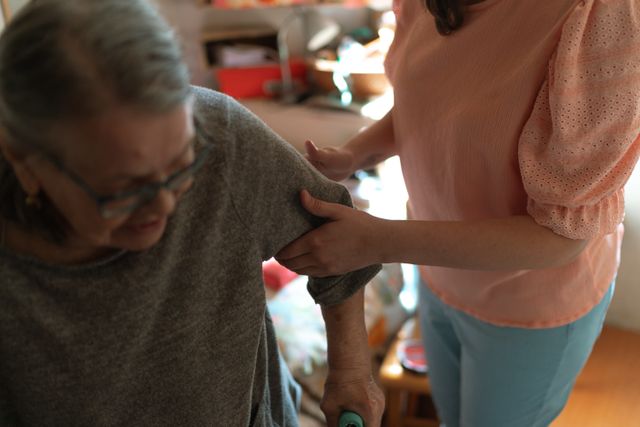
A safe home for an older adult is more than a fall-proof floor. Walk through the whole house for falls and trips, smoke and carbon monoxide alarms, hot-water scalds, medication and poison storage, lighting, and electrical hazards. SafeCheck Home treats falls and trips as a major official theme, but not the only one. Start with the room-by-room fall-prevention checklist for detailed room checks and a product-category table, then use this broader map for fire, CO, scalds, medications, lighting, and wiring. Product-category injury estimates describe association, not injury mechanism; not every product-category injury is a fall. This is educational, not medical advice, and no checklist can eliminate every hazard.
Home safety is more than fall prevention
Older-consumer and aging-in-place checklists from government sources commonly combine several jobs: walking-route hazards; beds, chairs, stairs, bathrooms, and daily transfers; kitchen fire habits; smoke and carbon monoxide alarms; water-heater temperature; medicines, cleaners, and poison storage; lighting; and electrical cords or outlets. That wider framing matters because a hallway can be clear of rugs and still hide an out-of-date smoke alarm, an overloaded power strip, or a medication bottle that is easy to confuse.
This umbrella guide gives you a practical sweep. The fall subhub is the better place for room-by-room fall detail and SafeCheck Home's older-adult product-category view. Those numbers are a weighted export of injuries associated with product categories, not a count of falls. Because that dataset does not provide complete injury-mechanism totals, this broader home-safety page does not use it to derive a complete risk ranking for every household hazard.
What to check first (priority map)
Use the first row to route a fall concern to the focused guide. Use the remaining rows for the official everyday hazards that a fall-only checklist can miss.
| Theme | Why it matters | What to do or where to go |
|---|---|---|
| Falls, trips, transfers | Surfaces, seats, stairs, bathrooms, and night paths are used throughout the day | Room-by-room fall-prevention checklist |
| Stairs, floors, and rugs | Trip edges, slippery treads, dark routes | Stairs, Floors & Rugs |
| Bathroom | Wet transfers and hard surfaces | Bathroom Safety |
| Bedroom | Bed height and the route to the bathroom | Bedroom Fall Prevention |
| Chairs and seating | Sit-to-stand support and armrests | Chair Fall Prevention |
| Toilet transfers | Height, grab support, tight space | Toilet Fall Prevention |
| Footwear | Traction, heel support, indoor habits | Footwear Fall Prevention |
| Pet supplies | Leashes, toys, bowls, and sudden movement | Pet Supplies Fall Prevention |
| Smoke alarms and kitchen fire | Cooking is a common fire-starting activity; early warning buys time | Test alarms monthly, keep a close watch while cooking, and plan two exits. See USFA smoke-alarm guidance below. |
| Carbon monoxide | CO is colorless and odorless; fuel-burning equipment needs working detection | Install CO alarms according to the device instructions and test them. See USFA CO prevention below. |
| Scalds and hot water | Reduced sensation or slower reactions can increase burn severity | Check the water-heater setting; many official guides suggest about 120°F. Run cold first, then add hot water. |
| Medications and poisoning storage | Look-alike packages and unclear routines can lead to mistakes | Keep medicines and cleaners in original containers, use good light for labels, and store poisons away from food. |
| Lighting and clear walking routes | Contrast and clutter affect balance and orientation | Light stairs, landings, and the bed-to-bathroom path; secure cords and remove loose items. |
| Electrical safety | Damaged cords, overloaded outlets, and missing GFCIs can create shock or fire risk | Replace damaged cords, avoid daisy-chaining power strips, and use GFCI protection near water as required. |
A practical walk-through
Do the sweep when the house is quiet, with good light and enough time. Write down what needs repair, replacement, or a professional visit. A single visit is a snapshot; recheck after new equipment, an illness, a medication change, or a change in mobility.
Throughout the home
- Clear daily walking routes of cords, packages, pet toys, and low furniture. Keep frequently used items between waist and shoulder height to reduce reaching and climbing.
- Secure rug edges, repair curled carpet, and check that thresholds are visible and stable.
- Check that smoke alarms are present where the home's layout and local rules require them, test them monthly, and replace smoke alarms about every 10 years or sooner if the manufacturer says so.
- Install carbon monoxide alarms according to the manufacturer's placement instructions, and test them as directed.
- Look for cracked or frayed cords, outlets that are warm or loose, and power strips feeding other power strips.
- Store medicines, cleaning products, and chemicals in original containers, out of sight and reach of children, and away from food.
Kitchen
- Stay in or near the kitchen while frying, grilling, broiling, or simmering. Keep a clear zone around the stove and turn pot handles inward.
- Keep a oven mitt, lid, and baking sheet nearby to smother a small pan fire; never use water on a grease fire.
- Wear snug sleeves while cooking, keep towels and packaging off the burner, and clean grease from the cooking area.
- Set the water-heater temperature to about 120°F if the equipment and household needs allow it. Test tap water carefully after any change.
- Use good light to read medication labels and appliance controls; keep a stable chair nearby for long tasks, but never stand on a chair.
Bathroom
- Check whether grab bars are installed where transfers need support. A towel bar is not a grab bar.
- Use non-slip mats inside and beside the tub or shower, and keep bath mats dry and flat.
- Keep soap, shampoo, towels, and medications within easy reach so bending and twisting are not routine.
- Confirm outlets near water have GFCI protection as required, and keep small appliances unplugged and stored away from water.
- Mix cold water first, then warm water. Test with a wrist or bath thermometer before bathing.
Bedroom and night path
- Check bed height from a seated position: feet should reach the floor without sliding forward or needing a jump to stand.
- Put a lamp, phone, glasses, and water within arm's reach. Use a stable bedside surface, not a stack of boxes.
- Light the bed-to-bathroom route with a lamp, low-level night light, or motion sensor; keep that route clear every night.
- Check whether clothing, blankets, cords, or pets commonly cross the route after bedtime, then make a specific habit for each.
Stairs, entry, and exits
- Test handrails at every flight: they should be graspable, continuous, and support weight without movement.
- Light the top and bottom of stairs, and remove baskets, shoes, and decorations from every step.
- Check that keys, phone, flashlight, and shoes are easy to find. Plan two exits and keep those paths accessible.
- Make sure outside steps, rails, and walkway lights are in good repair, and secure mats near doors.
Smoke and CO check
Smoke alarms and CO alarms are not interchangeable. Smoke alarms respond to combustion products; CO alarms respond to carbon monoxide. Use the sensor technology the manufacturer specifies, follow placement instructions, test monthly, and keep replacement dates visible. If an alarm chirps for a low battery or end-of-life warning, do not silence it and postpone the fix.
If mobility, reach, vision, balance, or a transfer feels unsafe, ask a clinician or occupational therapist before grab bars or major layout changes. Installation and equipment choices depend on wall structure, body mechanics, and the person's medical situation.
Where this fits with our other guides
Use this page as the umbrella. Then open the guide that matches today's task:
- Fall Prevention at Home — the older-adult fall subhub with a room-by-room checklist and a labeled product-category view.
- Stairs, Floors & Rugs — walking surfaces, lighting, rails, and trip edges.
- Bathroom Safety — tub, shower, surfaces, and grab-bar planning.
- Bedroom Fall Prevention — bed height, transfers, and night paths.
- Chair Fall Prevention — stable seating and sit-to-stand support.
- Toilet Fall Prevention — toilet height, reach, and transfer support.
- Footwear Fall Prevention — indoor traction and supportive shoes.
- Pet Supplies Fall Prevention — leashes, toys, bowls, and walkway clutter.
- What Is NEISS? — how to read product-injury estimates and their limits.
- Free & Privacy FAQ — pricing, data collection, and who the app is for.
- SafeCheck Home — explore the app's full feature set.
- Childproofing Checklist — a separate whole-home guide for households with young children.
How SafeCheck Home fits in
SafeCheck Home is free to download and includes 30 free data queries for core lookups. After those 30, a one-time $4.99 In-App Purchase — Unlimited SafeCheck Queries — unlocks unlimited queries. It is not a subscription. Confirm current IAP name and price on the App Store.
Read more in the Free & Privacy FAQ, our privacy policy, and our terms of service.
Frequently Asked Questions
What hazards should I check in a home with an older adult?
Check falls and trips; smoke and carbon monoxide alarms; kitchen-fire habits; hot-water scalds; medication and poison storage; stair and night lighting; and electrical hazards such as damaged cords or missing GFCIs. Official checklists cover more than falls. Use this page for the wider walk-through and SafeCheck Home's room-by-room fall guide for detailed room checks and product-category context. This checklist is educational and cannot remove every hazard.
Is fall prevention the same as home safety for older adults?
No. Fall prevention is a major part of home safety, but it is not the whole job. Fire, carbon monoxide, scalds, medication storage, lighting, and electrical hazards also appear in official home checklists. This page gives the wider walk-through; SafeCheck Home's fall guide keeps the room-by-room fall detail in one focused place.
Are the product injury numbers on your fall-prevention page a count of all falls?
No. Those figures are SafeCheck Home's weighted NEISS view of injuries associated with product categories in the seniors slice. Product involvement is not a documented fall mechanism, and not every injury in those categories is a fall. SafeCheck Home does not state the year, exact age cutoff, or location filter for that export, and admission rates are not personal risk rates. Read What Is NEISS? for the method and limits.
When should we ask a doctor or occupational therapist for help?
Ask after a fall, or if balance, vision, medication effects, or daily transfers feel unsafe. An occupational therapist can help assess the home and discuss equipment such as grab bars. This page does not prescribe exercises, medication changes, or do-it-yourself medical installation.
How does SafeCheck Home help?
SafeCheck Home offers room checklists and labeled product-category injury estimates, with association-not-causation caveats. It is free to download and includes 30 free queries; after that, a one-time $4.99 in-app purchase called Unlimited SafeCheck Queries unlocks unlimited queries. It is not a subscription. Confirm the current IAP name and price on the App Store.
Sources
- CPSC — Safety for Older Consumers: Home Safety Checklist (Publication 701I)
- NIH National Institute on Aging — Preventing Falls at Home: Room by Room
- NIH National Institute on Aging — Worksheet: Home Safety Checklist
- U.S. Fire Administration — Smoke Alarms
- U.S. Fire Administration — Carbon Monoxide Poisoning Prevention
- SafeCheck Home — What Is NEISS?
- SafeCheck Home — Fall Prevention at Home
This article is educational and is not medical advice, a complete hazard audit, or a substitute for professional guidance from a doctor or occupational therapist. Reducing common hazards can lower risk; it does not make a home hazard-free.